This is good progress I believe. It should allow the messaging system to be more dynamic when it comes selecting the issues and the one button logic.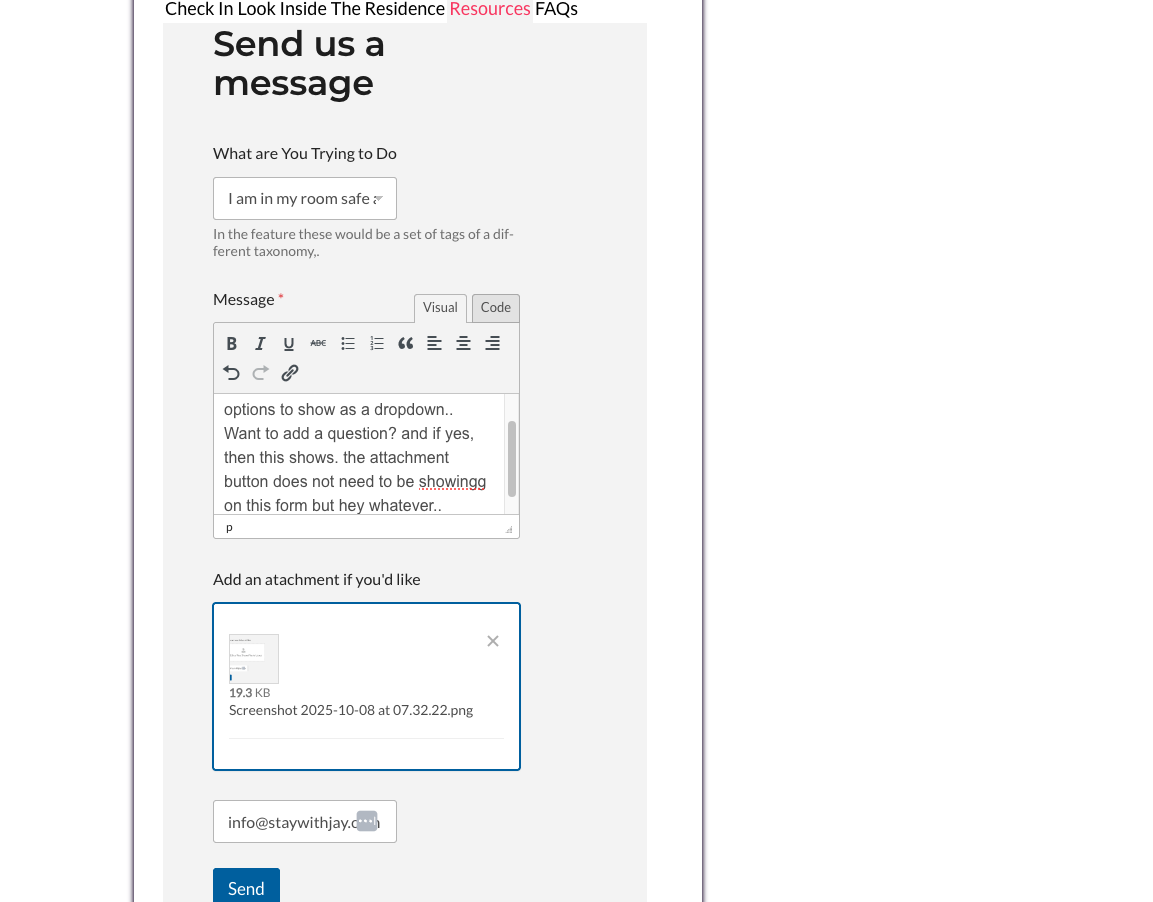
Author: Jay
-

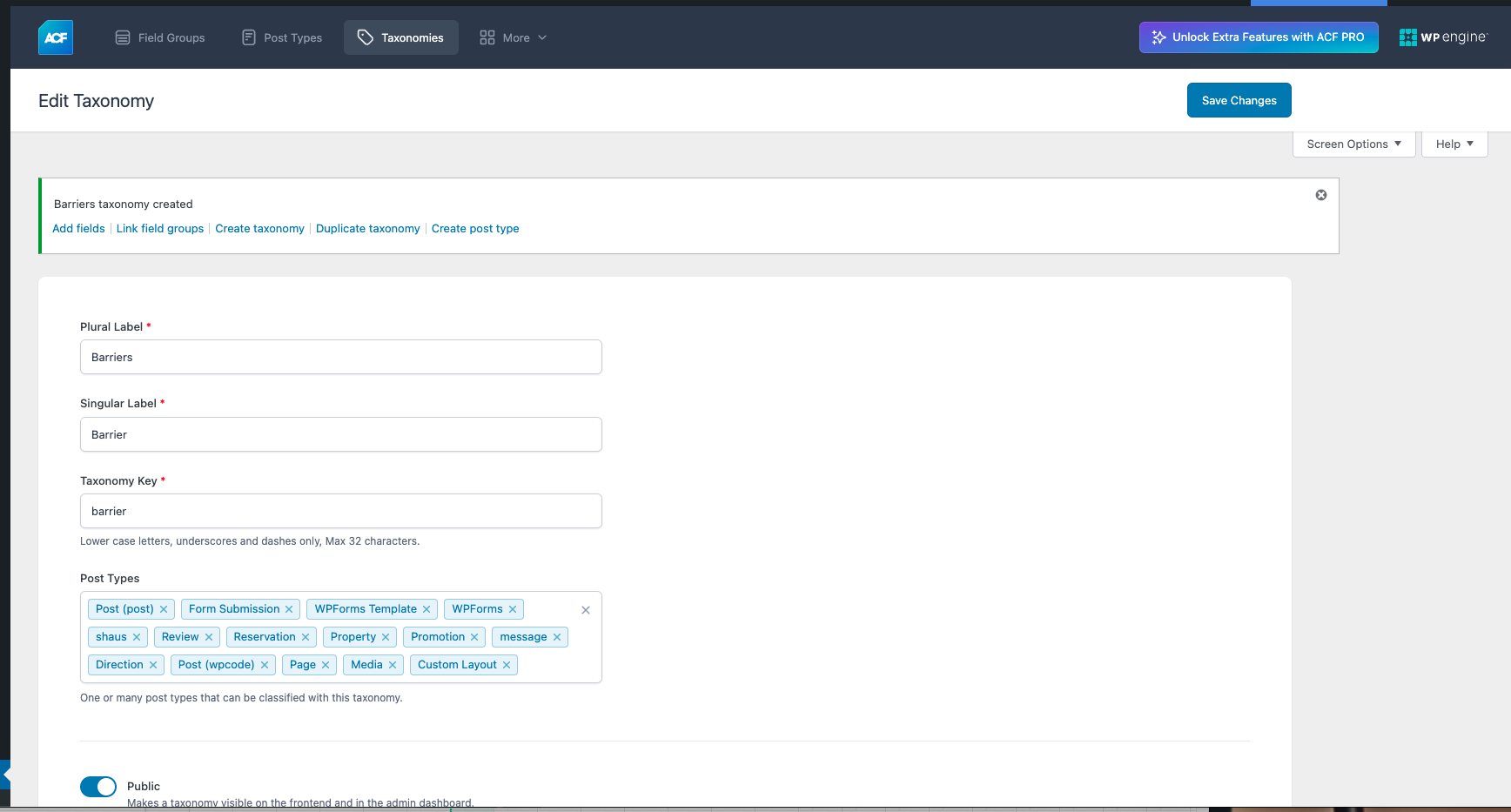
Added Barriers as a Taxonomy
-
what is the perfect way to apply drylock in the basement including the right brush and roller
To perfectly apply Drylok in a basement, first prepare the walls by cleaning and repairing them, then apply at least two coats using a 3/4-inch nap roller or stiff-bristled brush, ensuring thorough penetration into the masonry’s pores, especially in corners and along the floor-wall joint. Back-brush or back-roll the first coat to fill pinholes, and allow sufficient drying time between coats before inspecting for missed spots. [1, 2, 3, 4]
Preparation
- Clean the Walls: Remove any loose paint, dirt, or efflorescence. [5, 6, 7, 8]
- Repair Damage: Fill any cracks or imperfections to ensure a smooth, even surface for the product. [5, 6, 9, 10]
- Dry the Area: Ensure the walls are completely dry before application, as standing water can hide leaks. [11]
This video demonstrates the preparation process for applying Drylok, including cleaning and repairing the walls: https://www.youtube.com/watch?v=eEp04aYmBQE
Application Tools
- Brush: Use a stiff-bristled brush or a brush specifically designed to hold heavy-bodied coatings, like a DRYLOK® Brush. [1, 14]
- Roller: A 3/4-inch nap roller is recommended for applying the first coat to back-brush and fill in pores. [1, 4]
Application Steps
- Stir the Product: Stir the Drylok vigorously to ensure it has a consistent texture. [1, 2]
- First Coat:
- Load the brush generously with Drylok. [3]
- Apply to the prepared surface, working the product deep into the pores. [2, 3]
- Pay extra attention to foundation levels and inside corners. [3]
- Apply a few extra inches onto the floor at the wall-to-floor joint to create a stronger barrier. [3]
- Back-Brush or Back-Roll: After applying the first coat with a roller or brush, use a roller or brush to work it into any pinholes or pores in the masonry. [1, 4]
- Second Coat: Apply a second coat of Drylok for enhanced protection and a complete waterproof barrier. [1, 2]
- Inspect: After the final coat has dried, inspect the surface for any missed spots or imperfections and fill them in. [2]
- Clean Up: Clean tools with soap and water immediately after use. [2]
AI responses may include mistakes.
[1] https://www.drylok.com/learn/blog/the-right-vs-wrong-way-to-apply-drylok-masonry-waterproofer
[3] https://www.youtube.com/watch?v=eEp04aYmBQE
[4] https://images.thdstatic.com/catalog/pdfImages/79/79cdf585-289b-4c28-8518-022bcf8f7473.pdf
[5] https://www.instructables.com/Waterproofing-Basement-Walls-With-DRYLOK-Paint/
[6] https://homerepairtutor.com/waterproofing-basement-walls-with-drylok-paint/
[8] https://www.drylok.com/learn/blog/renovating-a-basement-to-create-a-home-gym
[9] https://www.drylok.com/learn/blog/winter-proof-waterproofing-is-essential-for-protection
[10] https://alphateqwaterproofing.com/waterproofing/steps/
[11] https://www.drylok.com/learn/blog/everything-you-need-to-know-about-waterproofing-basement-walls
[12] https://www.youtube.com/watch?v=ihp_YDi9-CM
[13] https://www.lowes.com/n/video/building-materials/how-to-patch-and-paint-drywall/69006168
[14] https://www.drylok.com/learn/blog/q-a-waterproofing-your-basement-with-drylok-waterproofer
-
The Bermuda Triangle of Small Biz: When Growth Kills Control
When your remodeling crew outgrows your control — what happens next?
Wesley got back on the truck and what he found forced a major reset.This episode is a brutally honest breakdown of what goes wrong when expectations aren’t set, when hours aren’t tracked, and when foremen (and apprentices) operate without a clear plan.
Jay and Wes walk through the accountability chain — from the field, to the foreman, to the office — and how to put it back in place before the business bleeds out.
🧱 Topics Covered:
— What Wesley found when he shadowed his own crew
— The missing “hours allowed” problem
— Why job costing must start on paper
— How to fix remodeling ops before they crash
— Holding your team (and yourself) accountable
💡 Key Quote:
“If your team doesn’t know what’s expected, how can you hold them to it?”
🎯 For:
- Small business owners scaling too fast
- Contractors, tradesmen, remodelers
- Operations managers in the field
- Anyone trying to fix a money-leaking team
🎙 More CEO’s Grind:
https://ceosgrind.com
💼 Strategy Support: https://catalystwin.com
🔧 Wes’s Company: https://buildingwaters.com
#RemodelingBusiness #CEOGrind #TradesLeadership #Accountability #ServiceFusion #BuildingWaters #FieldOps #SmallBusinessFix #ConstructionLife #PodcastDrop